Temples & Attractions Along Kyoto's Philosopher's Path
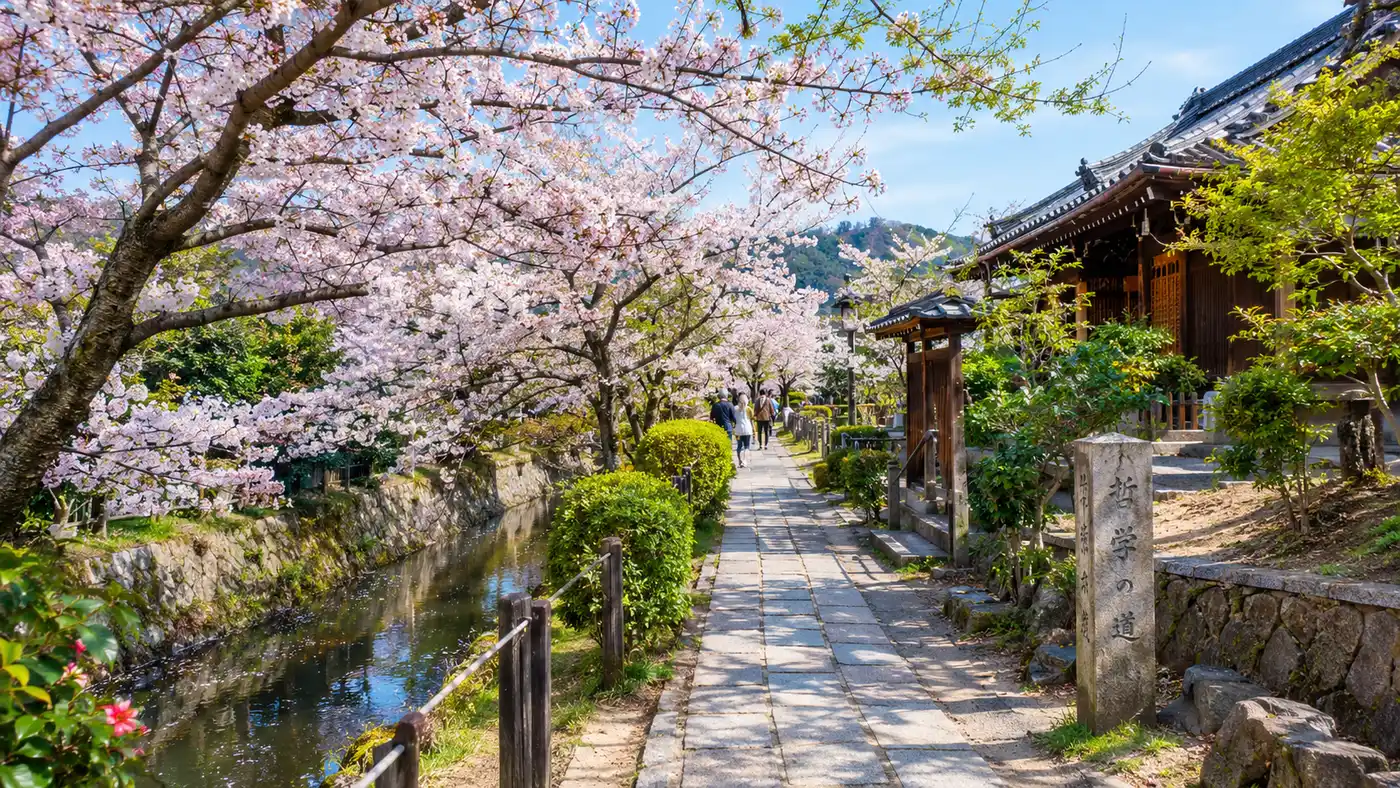
Kyoto, for all its bustling modernity, still holds onto pockets of profound tranquility. One such place, the Philosopher's Path, or Tetsugaku no Michi, offers a stroll through some of the city's most serene landscapes. This roughly two-kilometer stone path, lined with hundreds of cherry trees, follows a small canal in Kyoto's northern Higashiyama district. It's a truly beautiful walk, especially if you're looking to explore the incredible temples and smaller shrines that dot the area. Starting near the famous Ginkaku-ji, the Silver Pavilion, exploring the ginkakuji philosopher's path offers an unforgettable journey into Japan's spiritual heart.
You can wander from one end to the other, or just pick a segment and explore. We'll dive into the major attractions, the quiet hideaways, and some practical advice for making the most of your time. This isn't just a path, it's an experience, a chance to slow down and really soak in the atmosphere of old Kyoto. We'll cover everything from the grand Zen complexes to the tiny, almost hidden shrines you might otherwise miss.
Book your philosophers path experience:
Ginkaku-ji, the Silver Pavilion, and its Unique Zen Garden Kyoto Philosopher's Path
The northern end of the Philosopher's Path begins, or ends depending on your direction, at Ginkaku-ji, the Silver Pavilion. This UNESCO World Heritage site is a must-see, honestly. It was built in the late 1400s by Ashikaga Yoshimasa, who wanted to emulate his grandfather's Golden Pavilion, Kinkaku-ji. He planned to cover it in silver foil, but that never happened. Despite the lack of silver, it's incredibly striking, a testament to understated Japanese aesthetics.
The grounds themselves are a masterpiece. You'll find a dry sand garden, known as the "Sea of Silver Sand," with a massive, perfectly conical sand mound called "Moon Viewing Platform." It's incredible how pristine they keep it. There's also a beautiful moss garden with small streams and ponds, where you can just sit and listen to the water. The whole place feels very peaceful, a real contrast to some of the city's busier spots. I think the quiet dignity of the place is what truly makes it shine, not any precious metal.
Walking through the various paths around the main hall and up the hillside offers different perspectives of the pavilion and the meticulous gardens. You get a nice view out over Kyoto itself from up there, too. Give yourself at least 45 minutes to an hour to really explore Ginkaku-ji without rushing. It’s worth the 500 yen entrance fee, every single yen.
Strolling Along the Philosopher's Path Kyoto Between Ginkaku-ji and Nanzen-ji
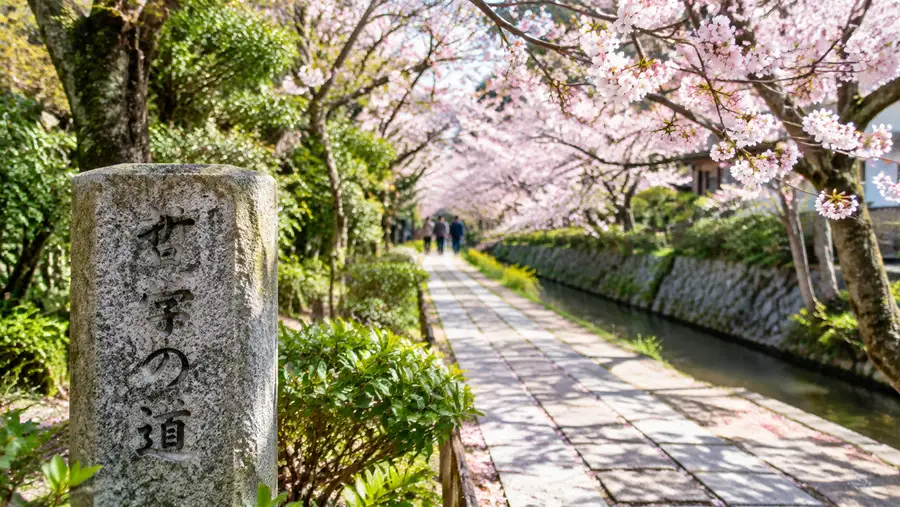
Once you step out of Ginkaku-ji, the Philosopher's Path stretches out before you, inviting you to wander. It's a relatively flat, stone-paved walk that hugs a narrow canal. The path is named after Nishida Kitaro, a famous Japanese philosopher who was said to meditate here on his daily commute. You can almost feel that contemplative spirit in the air, especially in the early morning.
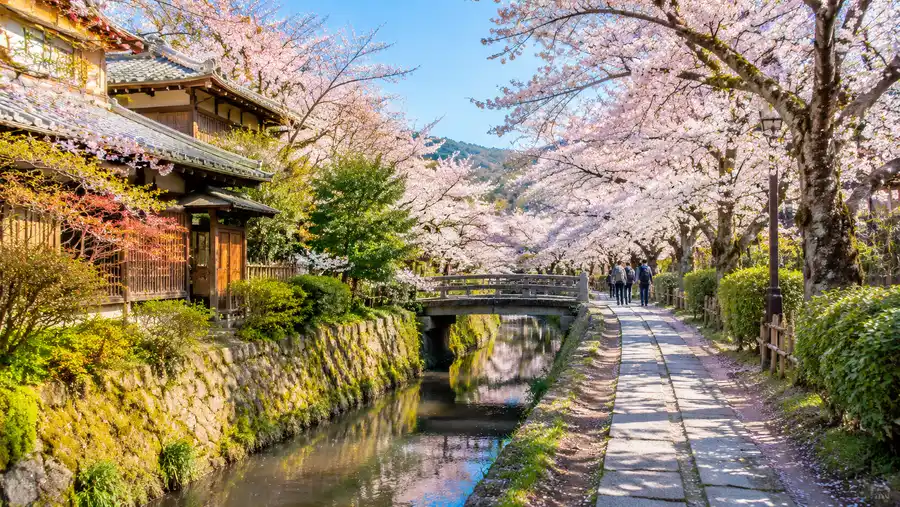
The path is famous for its cherry blossoms in spring, when the tunnel of pink flowers is just breathtaking. But it's beautiful any time of year. Green in summer, vibrant reds and oranges in autumn, and a quiet, stark beauty in winter. Along the way, you'll pass numerous small shops, cafes, and restaurants. Some are tucked away in traditional wooden houses, offering green tea and sweets, or maybe a small craft item. It’s a great place to pick up a unique souvenir, not just the usual tourist fare.
There are also several smaller temples and shrines right off the main path. Many people just walk the main route, but honestly, some of the best discoveries are made by taking a tiny detour down a side alley. You might stumble upon a quiet garden or a tiny, unmanned shrine. This is where the real magic of the ginkakuji philosopher's path truly lies, in those unexpected moments of discovery.
Pro tip: Start your walk from Ginkaku-ji early, like right when it opens at 9 AM. You'll beat the biggest crowds and get to experience the path in a much more peaceful state. Plus, the light for photos is often better then.
Hidden Gems: Hōnen-in and Eikan-dō Zenrin-ji Among Philosopher's Path Temples
Midway along the path, you'll encounter some truly special places. Hōnen-in Temple is one of my absolute favorites. It's usually free to enter the grounds, though they sometimes have special openings for the main hall. The entrance is marked by a beautiful thatched-roof gate, and inside, the grounds are incredibly serene, covered in lush moss. You'll find two perfectly raked sand mounds, often decorated with seasonal leaves or flowers, creating a truly artistic display. It’s a very quiet, contemplative spot, much less visited than Ginkaku-ji or Nanzen-ji, which is part of its charm. Honestly, I could spend hours there just sitting and thinking.
Just a bit further south is Eikan-dō Zenrin-ji, another stunning temple complex. This one is particularly famous for its autumn foliage, drawing huge crowds when the leaves turn fiery red and gold. But even outside of autumn, it’s worth visiting. The temple grounds are expansive and varied, with multiple halls, pagodas, and a beautiful pond garden where carp swim lazily. Eikan-dō is also known for its unique "Mikaeri Amida" Buddha statue, which looks over its shoulder. It’s a very unusual and striking image, something you won’t see just anywhere.
Exploring these philosopher's path temples offers a deeper look into Japanese Buddhist architecture and landscaping. Each has its own distinct personality. Hōnen-in feels ancient and deeply spiritual, while Eikan-dō is grander, with a more elaborate layout. Both are fantastic stops and worth the small detour from the main canal path.
- Hōnen-in: Quiet, mossy grounds, thatched-roof gate. Perfect for a moment of reflection.
- Eikan-dō Zenrin-ji: Famous for autumn leaves, varied gardens, pond, and the unique Mikaeri Amida statue.
- Anraku-ji: A smaller, lesser-known temple, often only open to the public during spring and autumn. Check their schedule if you're keen.
Book your philosophers path experience:
The Grand Finale: Nanzen-ji Temple Philosopher's Path and Surrounding Attractions
The Philosopher's Path officially concludes near Nanzen-ji Temple, a massive Zen Buddhist complex that serves as one of Kyoto's most important temples. It's a sprawling site, so give yourself plenty of time to explore here, maybe 2 to 3 hours if you want to see everything. The first thing you'll notice is the colossal Sanmon Gate, which you can climb for panoramic views of Kyoto. The sheer scale of it is impressive, and the view from the top is pretty spectacular.
Beyond the gate, the grounds are dotted with various sub-temples, each with its own unique garden or feature. The Hojo Garden, a dry landscape Zen garden, is particularly famous and a beautiful example of Japanese rock gardens. Don't miss the picturesque brick aqueduct, built during the Meiji Period to carry water from Lake Biwa. It looks almost Roman, a strange but beautiful juxtaposition with the traditional temple architecture. This area is a key part of the nanzenji temple philosopher's path experience, offering both historical significance and visual splendor.
You can wander through the various sub-temples, like Tenjuan or Konchi-in, each offering different garden styles and levels of crowdedness. Some have intricate sliding door paintings, others beautiful ponds. It's a choose-your-own-adventure kind of place, really. The sheer variety of things to see at Nanzen-ji means there's something for everyone, whether you're into history, architecture, or just finding a quiet spot to sit. I always find something new every time I visit.
Note: While the main grounds of Nanzen-ji are free to enter, many of the sub-temples, the Sanmon Gate, and the Hojo Garden have separate, modest entrance fees. Keep some small yen bills handy.
Crafting Your Philosopher's Path Itinerary: What to Do in Philosopher's Path
Planning your visit is key to enjoying the Philosopher's Path. A full walk from Ginkaku-ji to Nanzen-ji, including stops at the major temples, can easily take half a day, maybe even longer. If you're wondering about the best time to visit, spring for cherry blossoms or autumn for foliage are popular choices, but also the busiest. Summer offers lush greenery and fewer crowds, while winter provides a stark, peaceful beauty.
To really get a feel for the area, I'd suggest starting at Ginkaku-ji, exploring it thoroughly, and then walking south. Take your time, pop into any interesting-looking shops or cafes. Don't be afraid to veer off the path to explore a small temple or shrine you spot. That's often where you find the most authentic experiences. Stopping for a matcha tea and a sweet at one of the tiny cafes along the canal is a great way to break up the walk and rest your feet.
For those looking to extend their exploration, the area around Nanzen-ji also offers other attractions like the Kyoto Zoo or the Heian Shrine, which is a bit of a walk but definitely doable. Honestly, there's so much to see that you could easily spend a full day just in this part of Kyoto. It's a fantastic area for photography, too, with endless picturesque spots around every bend.
Here’s a quick overview of what you might expect at the main temple stops:
| Temple | Entrance Fee (JPY) | Opening Hours (Approx.) | Key Feature(s) |
|---|---|---|---|
| Ginkaku-ji | 500 | 9:00 - 17:00 | Silver Pavilion, Sea of Silver Sand, Moss Garden |
| Hōnen-in | Free (donations encouraged) | 6:00 - 16:00 | Thatched-roof gate, Mossy grounds, Sand mounds |
| Eikan-dō Zenrin-ji | 600 | 9:00 - 17:00 | Autumn foliage, Pond garden, Mikaeri Amida Buddha |
| Nanzen-ji (Hojo Garden / Sanmon Gate) | 600 / 600 | 8:40 - 17:00 | Massive Sanmon Gate, Hojo Zen Garden, Aqueduct |
Frequently Asked Questions about ginkakuji philosopher's path
How long does it take to walk the Philosopher's Path?
Walking the entire 2-kilometer path itself takes about 30-40 minutes without stops. If you include visits to Ginkaku-ji, Hōnen-in, Eikan-dō, and Nanzen-ji, plan for at least 3-5 hours, or even a full day for a relaxed pace.
What is the best starting point for the Philosopher's Path?
Most travelers start at Ginkaku-ji (Silver Pavilion) and walk south towards Nanzen-ji Temple. This direction provides a gentle downhill slope and ends at a major subway station, making onward travel easier.
Are there restrooms and food options along the Philosopher's Path?
Yes, there are public restrooms available at both Ginkaku-ji and Nanzen-ji, as well as scattered along the path. Numerous small cafes, tea houses, and restaurants offer snacks, lunch, and refreshments throughout the walk.
Quick Reference
- Path Length: 2 km
- Main Temples: Ginkaku-ji, Hōnen-in, Eikan-dō, Nanzen-ji
- Best Seasons: Spring (cherry blossoms), Autumn (foliage)
- Typical Walk Time (with stops): 3-5 hours
- Entry Fees: Varies by temple (500-600 JPY for major ones)
Book your philosophers path experience:
My Take on the Philosopher's Path
The Philosopher's Path isn't just a picturesque walk; it's a journey through some of Kyoto's most profound and beautiful cultural sites. From the understated elegance of Ginkaku-ji to the sprawling majesty of Nanzen-ji, every step offers something new to discover. It's a place where you can find both bustling activity and quiet solitude, often just a few steps apart. Whether you're a first-time visitor to Japan or a seasoned traveler, dedicating time to explore this path and its surrounding temples is an experience you won't regret. So grab your walking shoes, maybe a little notebook, and go get lost in the beauty of it all.
Read more about philosophers path.